



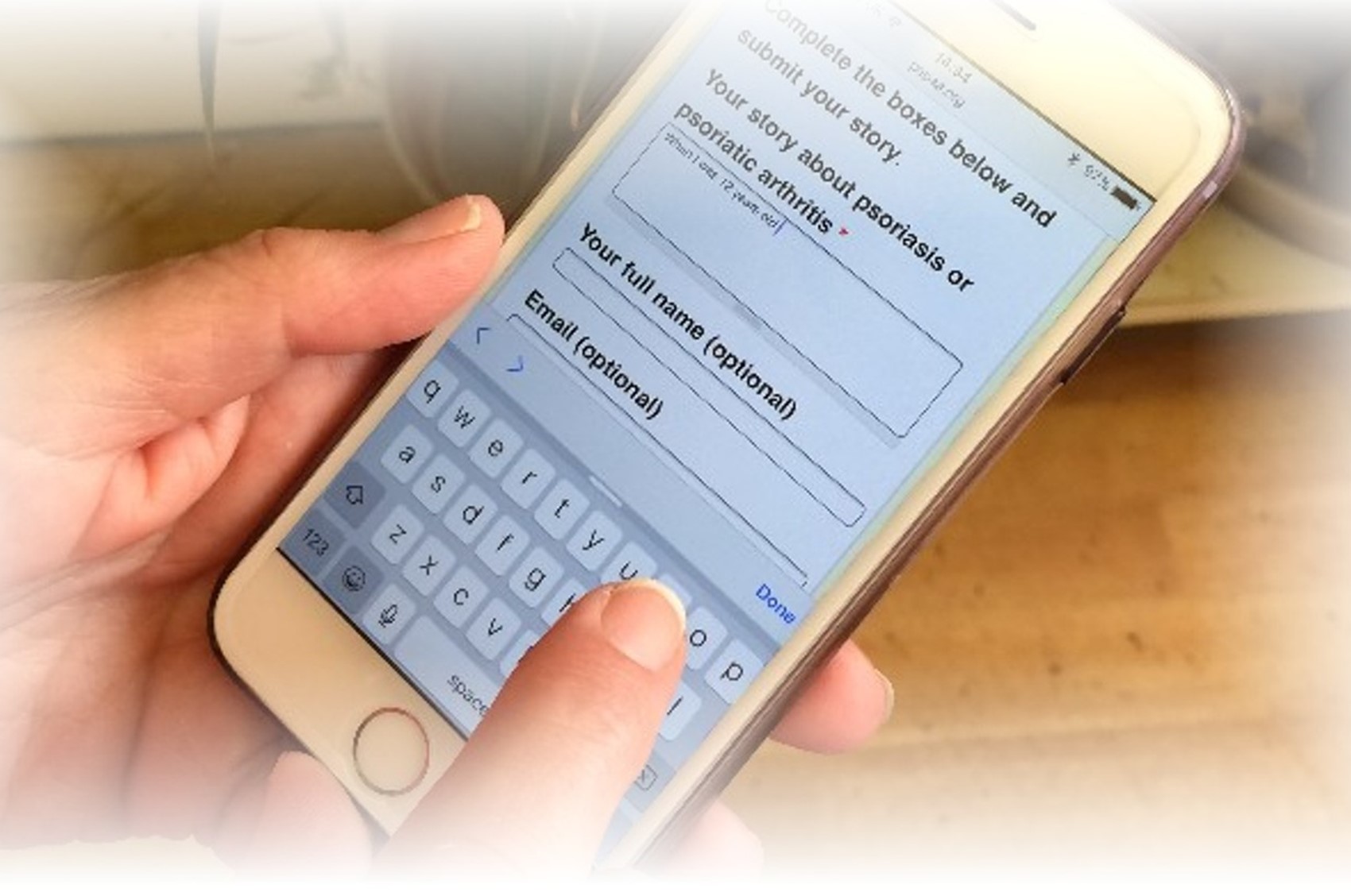
Share your story
Do you have a story to tell about living with psoriasis or psoriatic arthritis?
You have no items in your basket
 Donate

In a recent social media post we asked a simple question : “How long did it take from the onset of your symptoms to a diagnosis?” The responses describe experiences ranging from a few months to several decades, alongside accounts of persistent pain, repeated consultations and life-changing improvements with treatment.

World Arthritis Day 12 October 2026 highlights the impact of arthritis and the importance of timely diagnosis, treatment and support.

The latest edition of Pso Pscience brings together clear, accessible summaries of recent psoriatic disease research and developments.

Every autumn, the awareness calendar offers a run of dates that are rather more connected than they may first appear.

We know that living with psoriasis or psoriatic arthritis does not begin and end on an awareness day. The need for understanding, reliable information, appropriate care and support is there every day of the year.

As Pain Awareness Month comes to an end, the reality of living with pain does not. For many people with psoriasis or psoriatic arthritis, pain and fatigue can continue long after others assume everything is fine.

PAPAA has seen a 15% increase in people accessing its online information and support resources, reflecting growing demand for trusted guidance on psoriasis and psoriatic arthritis.

Pain Awareness Month takes place throughout September, raising awareness of the often unseen impact of pain on daily life.

PAPAA's new AI-assisted search will allow visitors to ask questions in their own words. It will provide a short, plain-English summary using information from PAPAA.org and direct users to the relevant pages for further reading.

NICE has begun work to assess tapinarof, a topical treatment for adults with mild to severe plaque psoriasis. The appraisal will consider both how well the treatment works and whether it represents value for money for use within the NHS.